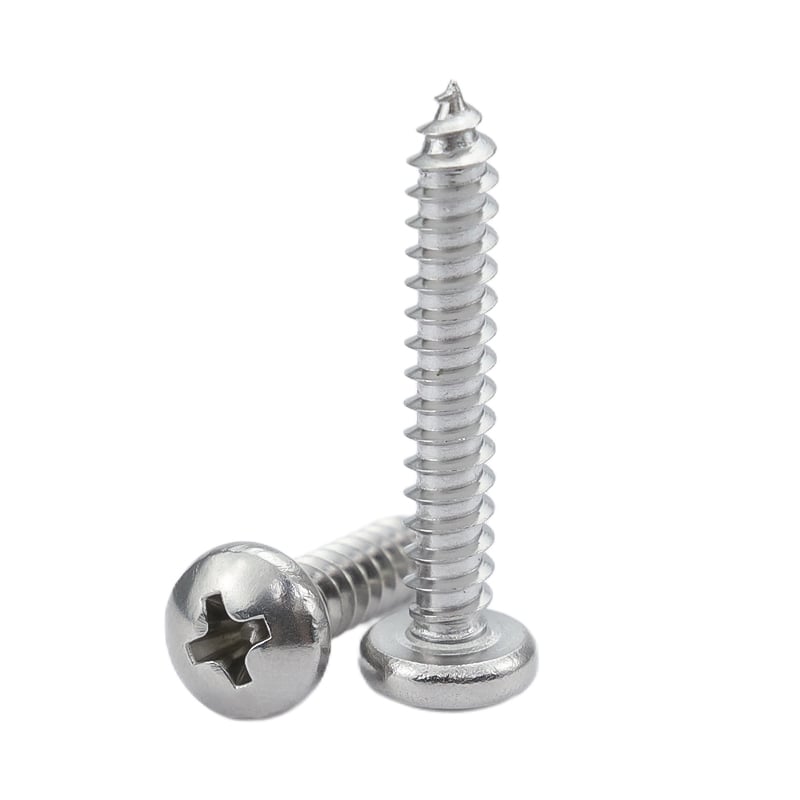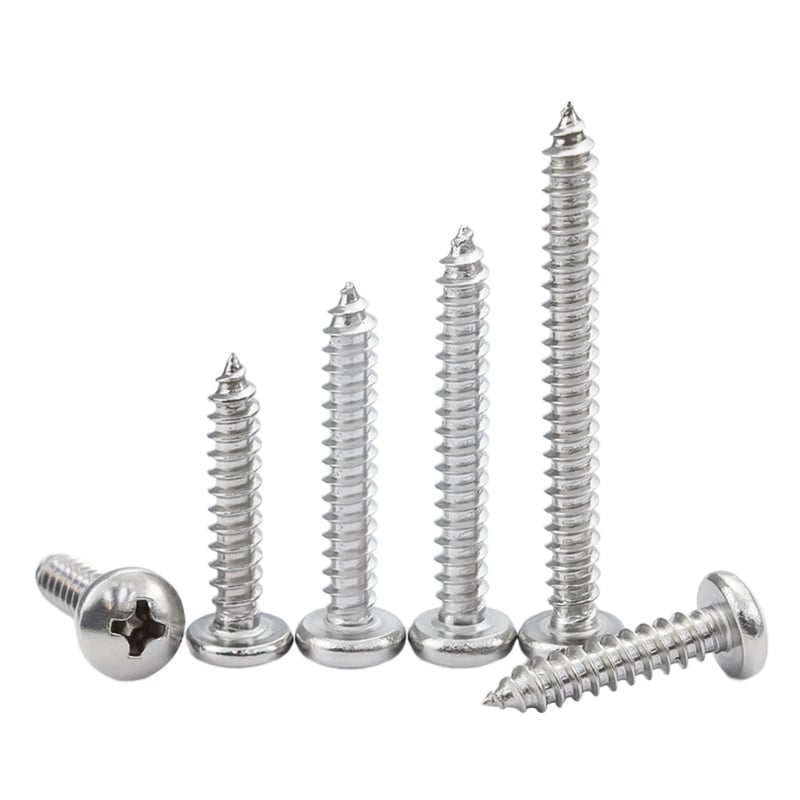
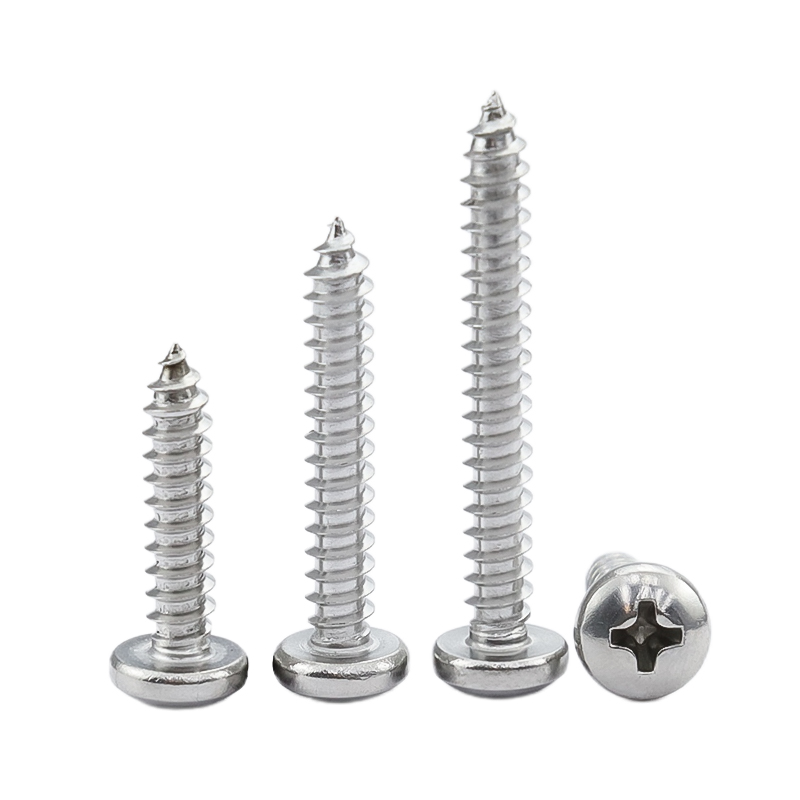
Self tapping screw types are essential fasteners that create their own threads when driven into pre-drilled or pilot holes, eliminating the need for nuts or pre-tapped threads. Understanding the differences among self tapping screw types is critical for engineers and procurement teams seeking optimal joint strength and assembly efficiency. Thread-forming screws, including Type AB, B, and Trilobular designs, deform the host material to form mating threads, making them ideal for plastics and thin sheet metal. Thread-cutting screws, such as Type D, T, and F, feature cutting edges that remove material, suited for thicker metals and applications requiring disassembly without thread damage. Self-drilling screws combine a drill point with tapping threads, enabling one-step drilling and fastening in metals up to 12.7 mm thick, reducing labor and tooling costs. Self-piercing screws are used in high-volume electronics and automotive assemblies. Materials range from hardened carbon steel and stainless steel to alloy steels, with surface treatments like zinc plating, black oxide, and passivation to enhance corrosion resistance. Head styles include pan, flat, oval, hex, and truss, while drive types span Phillips, slotted, hex, Torx, and square. Point geometries vary: Type A for soft materials, Type B for sheet metal, Type C for thicker sheet metal, and Type F for plastics. Choosing the right self tapping screw type depends on material thickness, hardness, required holding power, vibration exposure, and environmental conditions. Our integrated forging, cold heading, CNC machining, and stamping capabilities allow us to produce customized, non-standard Self Tapping Screw Types with precise thread profiles, ensuring reliable performance across diverse global applications.