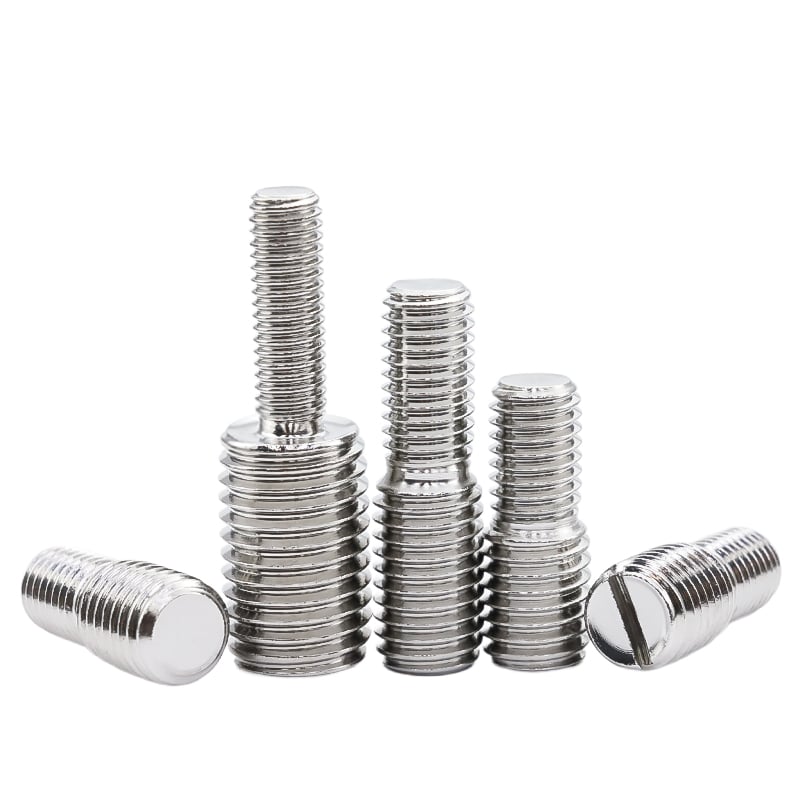
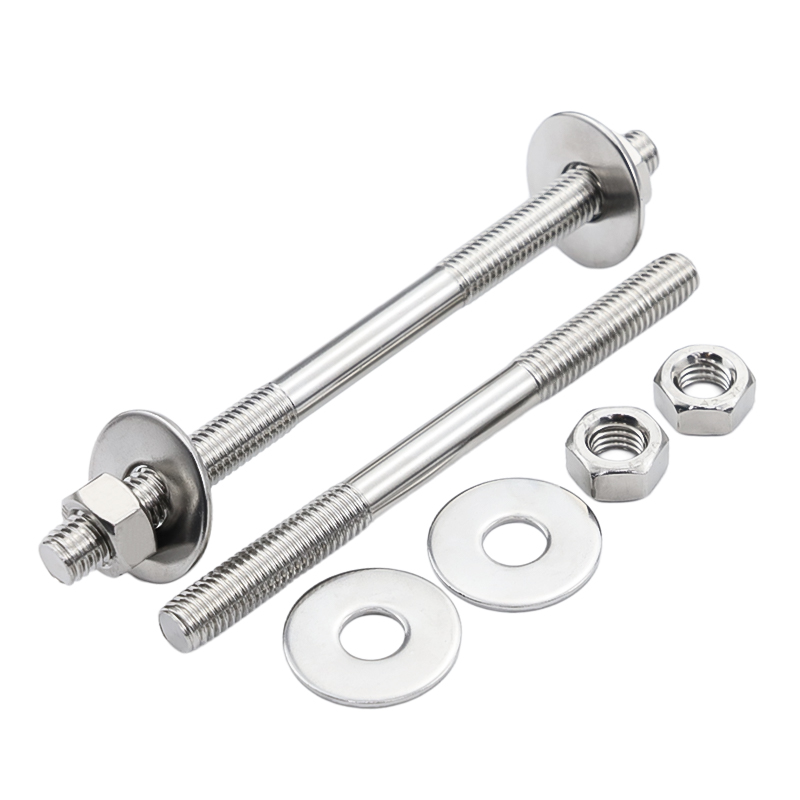
A Double Ended Stud, sometimes called a double end threaded stud or stud bolt, is a rod with threads cut on both extremities and an unthreaded shank in the middle. This design allows one end to be permanently installed into a tapped hole or flange while the other end accepts a nut to clamp the mating component. In international engineering practice, Double Ended Studs are widely used in pressure vessels, heat exchangers, pipeline flanges, wind turbine towers, heavy machinery, and structural steel connections. The key performance factors include thread pitch accuracy, material grade, heat treatment, and surface protection. Because both ends are threaded, the stud can be installed and removed without damaging the parent thread, which is critical for maintenance-intensive equipment. Our production route begins with shearing or forging the raw bar, followed by cold heading or hot forging to form the headless blank. CNC turning then machines the shank and chamfers, and thread rolling or cutting creates the required thread profile. Heat treatment such as quenching and tempering adjusts hardness and tensile strength, while surface treatments improve corrosion resistance. For clients in different regions, we consider local standards such as ASTM A193, DIN 938, DIN 939, ISO 898, and JIS B1177. We also accommodate cultural expectations for documentation, packaging, and traceability, ensuring that each Double Ended Stud shipment meets the technical and commercial requirements of the destination market.
28
Aug
04
Sep
10
Sep
14
Sep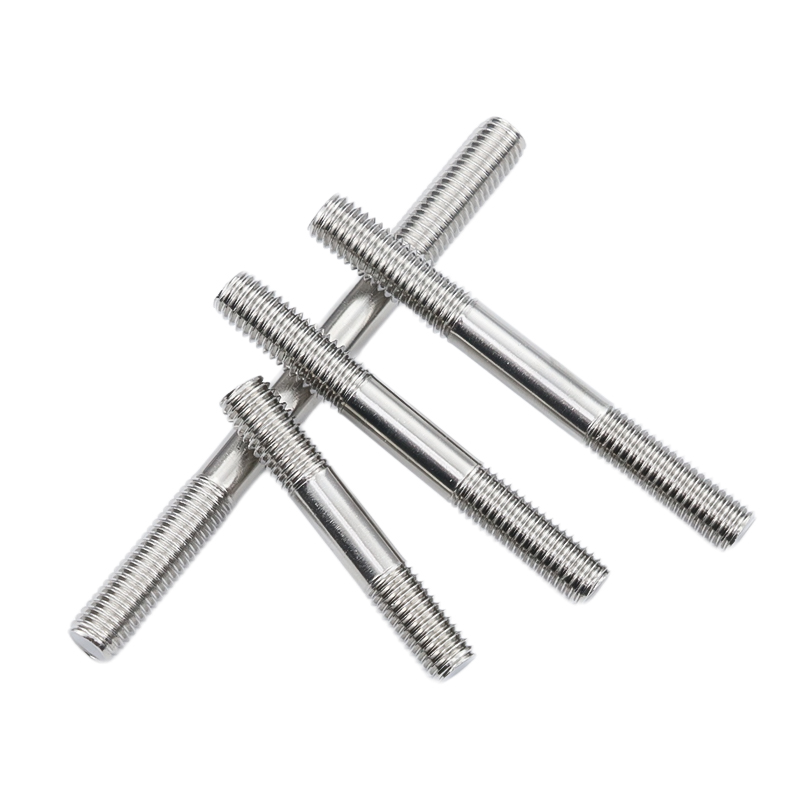
 EN
EN