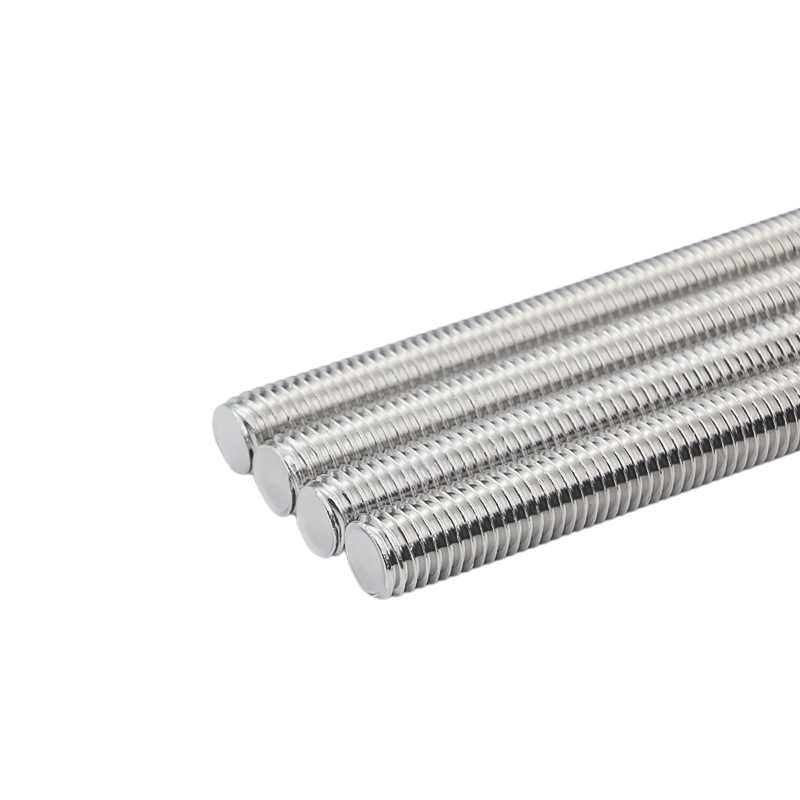
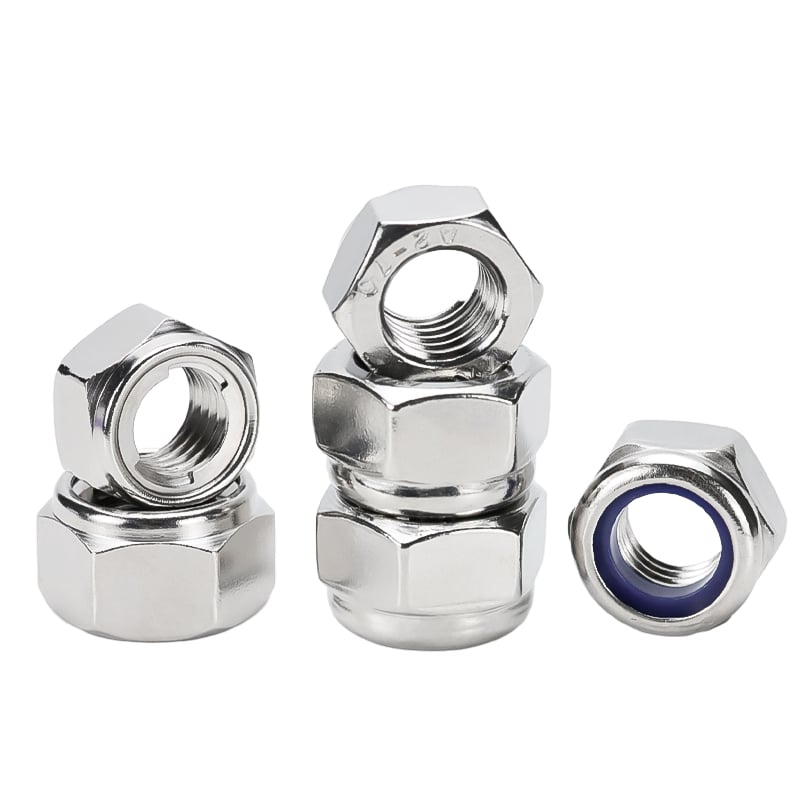
A Rubber Pipe Clamp plays a critical role in modern fluid and gas transfer systems by combining mechanical holding force with elastic cushioning. Unlike rigid metal clamps, a Rubber Pipe Clamp uses rubber or elastomer contact surfaces to absorb vibration, compensate for thermal expansion, and protect pipe coatings from scratches and corrosion. This makes it especially valuable in automotive engine bays, hydraulic power units, HVAC lines, and industrial machinery where reliability and noise reduction matter. From an engineering perspective, the performance of a Rubber Pipe Clamp depends on several factors: rubber hardness and aging resistance, metal bracket strength and corrosion protection, clamping diameter tolerance, and installation torque. Our manufacturing approach addresses these factors through integrated processes. Forging and cold heading create strong metal clamp bodies and fasteners with favorable grain flow, while CNC machining and turning-milling composite operations ensure precise dimensions and smooth edges. Stamping supports cost-effective production of brackets and retaining plates. We also offer various surface treatments to extend service life in humid, salty, or chemically exposed environments. For international customers, cultural and application differences matter. European and North American buyers often prioritize documentation, material traceability, and consistent batch quality, while customers in Asia and the Middle East may emphasize flexibility, customization, and fast response. Our role is to align design, tooling, production, and inspection with your market expectations. Whether you need a standard-style Rubber Pipe Clamp or a fully non-standard assembly, we can support prototype development, sample confirmation, mass production, and surface finishing under one roof.
28
Aug
04
Sep
10
Sep
14
Sep
 EN
EN