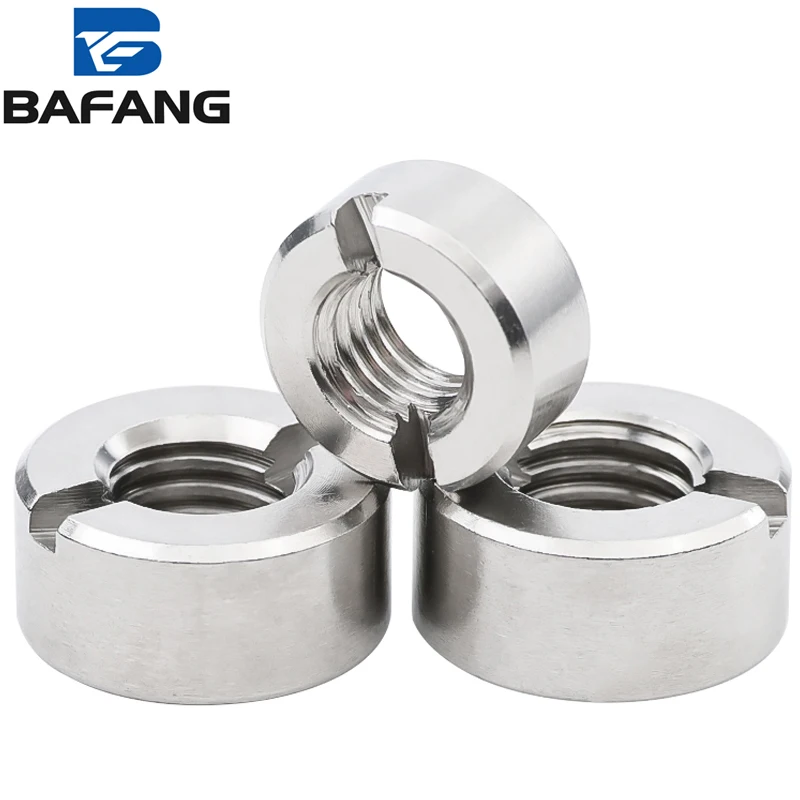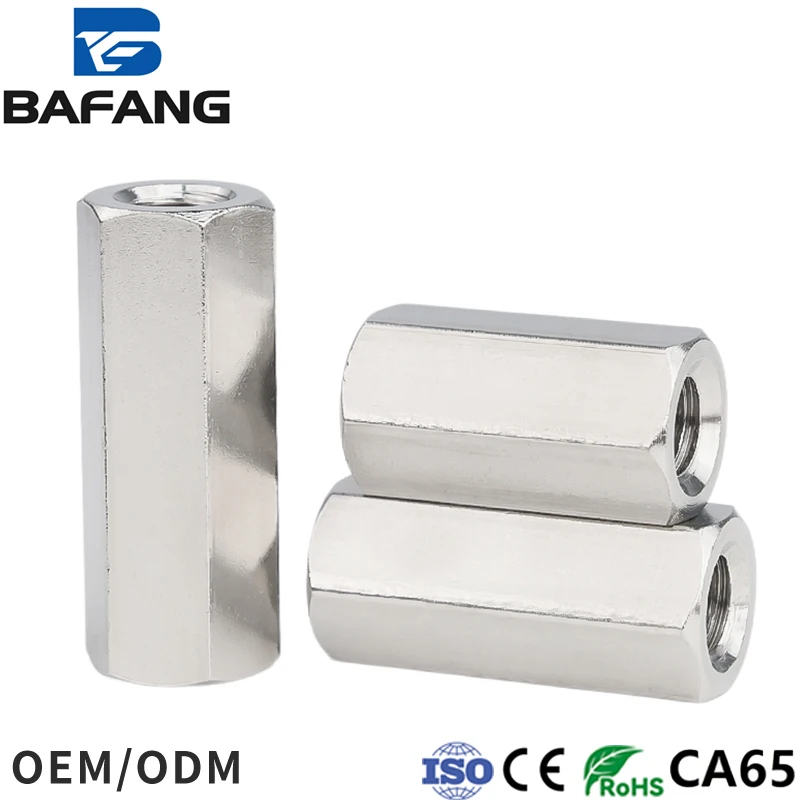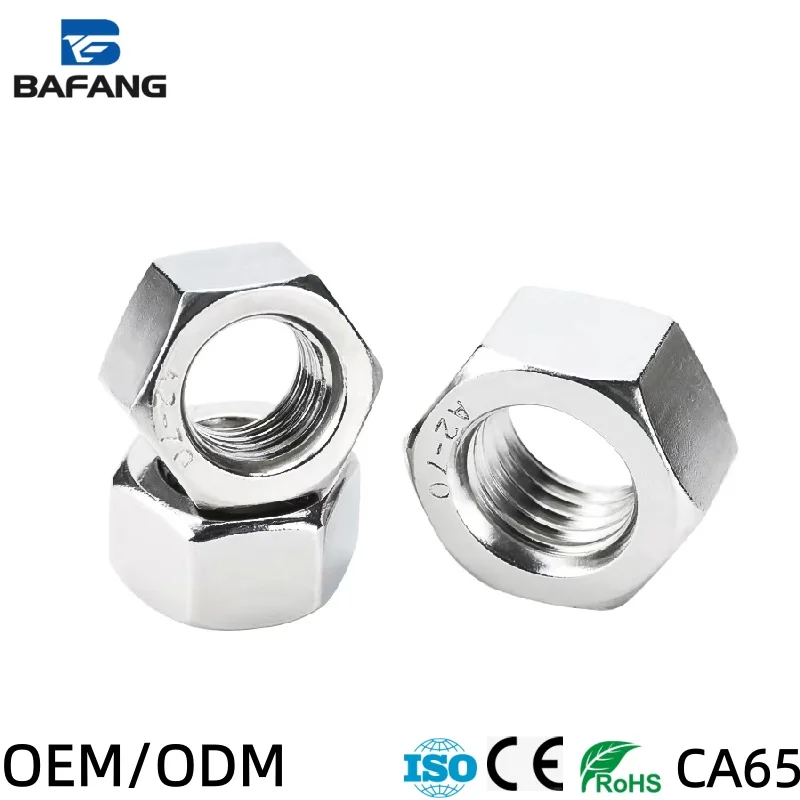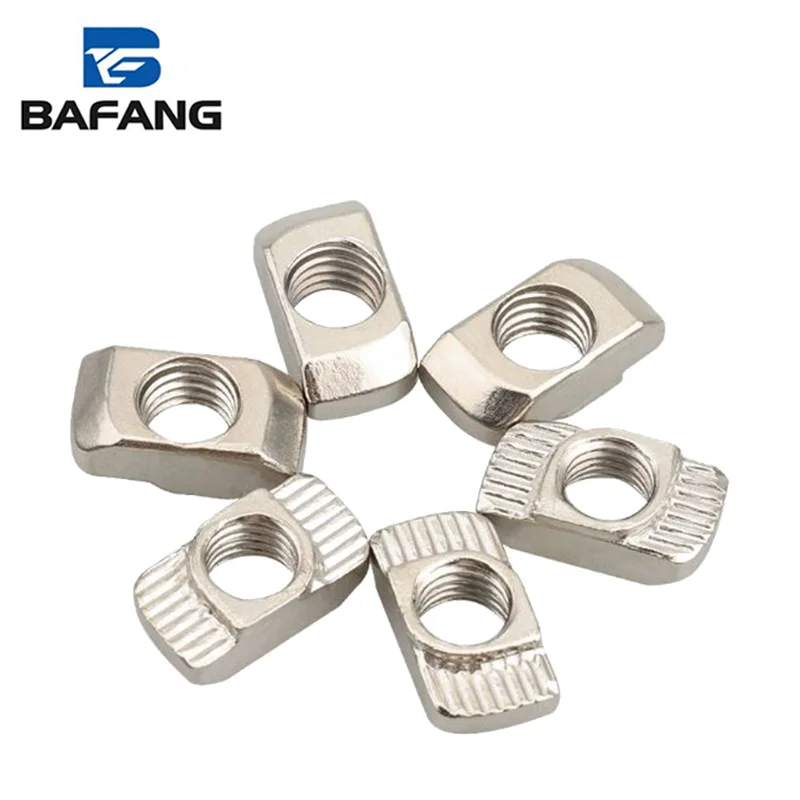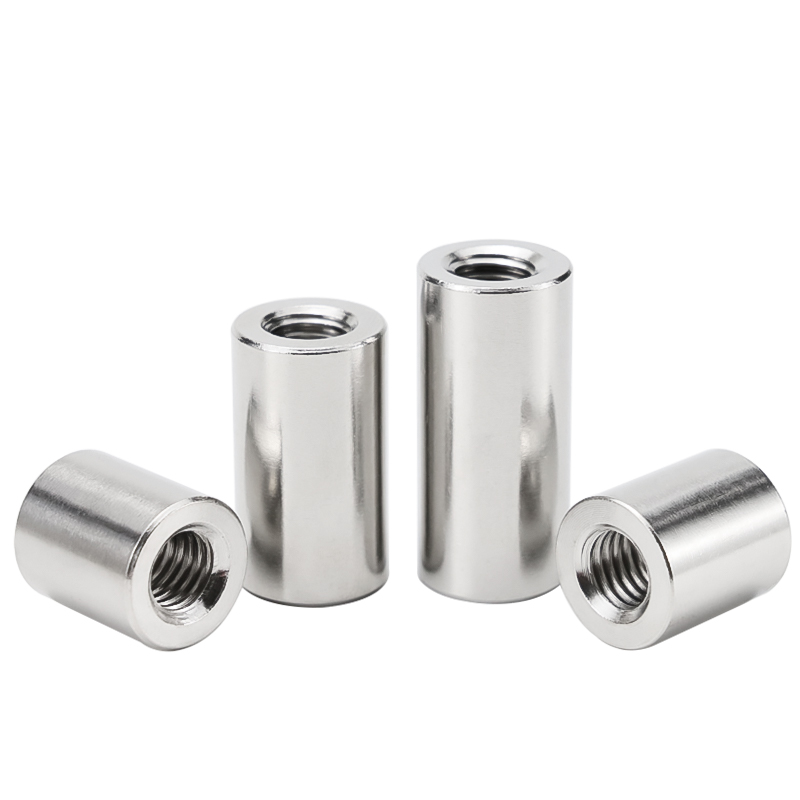
A Brass Round Nut is far more than a simple threaded fastener. In precision engineering, it often acts as a critical interface that determines the safety, conductivity and service life of an entire assembly. Brass, an alloy of copper and zinc, delivers a distinctive combination of properties: it resists corrosion in humid and mildly chemical environments, conducts electricity efficiently, remains non-magnetic and machines beautifully. These characteristics make the Brass Round Nut a preferred choice for electronics housings, instrument panels, marine fittings, pneumatic systems and architectural hardware where steel fasteners would rust or interfere with sensitive components. Because standard catalog nuts rarely match specialized designs, customized production becomes essential. Our approach begins with understanding the application: load requirements, thread standard, installation tooling and environmental exposure. From there, we select the appropriate brass grade, such as H59, H62 or H65, and choose the most efficient forming route. High-volume parts may be cold headed on multi-station machines for speed and material savings, while complex geometries or tight tolerances are finished on CNC lathes and turning-milling composite machines. Forging on 630T and 300T presses provides superior grain flow and mechanical strength for larger Brass Round Nuts. Surface treatments further extend performance. Nickel or tin plating improves wear resistance and solderability; passivation and anti-tarnish coatings preserve the bright golden appearance during long storage and shipping. For international customers, we provide dimensional reports, material certificates and sample approvals before mass production, ensuring that every Brass Round Nut meets the agreed specification. This combination of material knowledge, diversified machinery and rigorous quality control allows us to serve buyers across Europe, North America, Southeast Asia and the Middle East with confidence.
28
Aug
10
Sep
14
Sep
23
Sep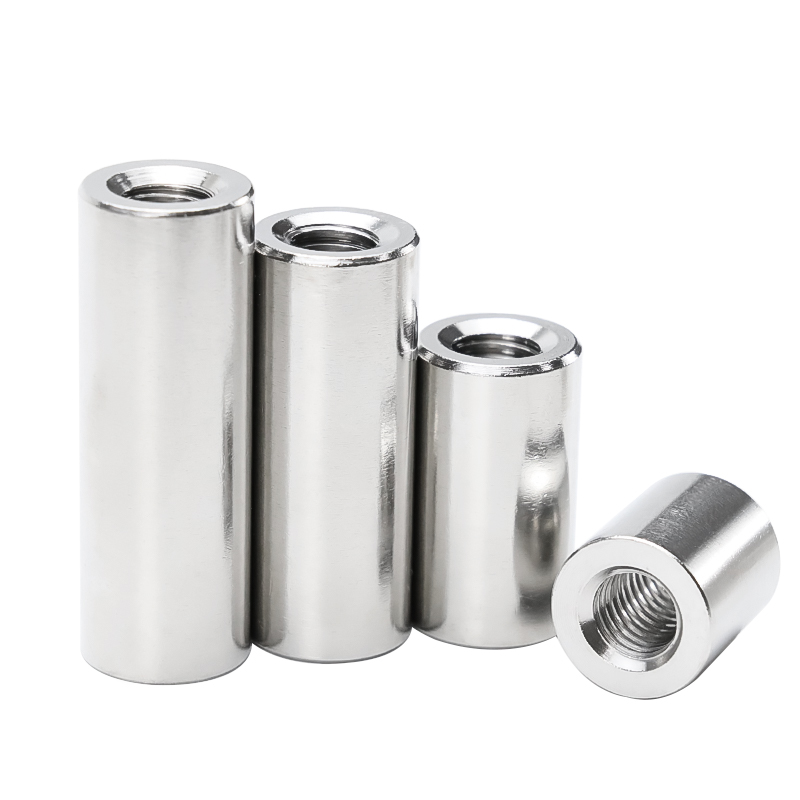
 EN
EN