 EN
EN

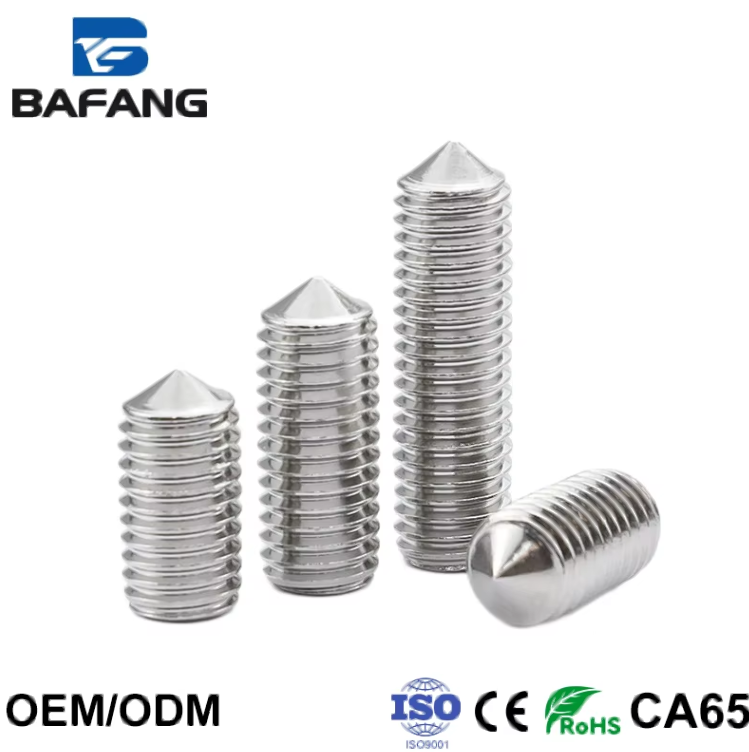
A stocked screw range solves the real problem: waiting
When a line goes down, the bottleneck is rarely the wrench. It is the missing fastener. A diverse screw range in stock turns the question from "when can this ship" to "which bin has the right match." That shift matters because one M8 flange bolt or 1/2-13 hex cap screw can stop a repair. Distributors and OEMs that treat screw range as a strategic buffer, not dead inventory, recover faster from breakdowns, design revisions, and supplier hiccups. A narrow stock list forces emergency purchases, premium freight, minimum order penalties, and weeks of waiting. A broader range lets maintenance pull a compatible part today and backfill later.
Why one thread standard never covers a whole plant
A plant may run metric and inch threads side by side. Equipment from Europe, Asia, and North America often lands in the same building. M10 x 1.5, 3/8-16, BSW, and fine pitch threads can all show up on one floor. Add head type, drive style, length, and property class, and one thread standard becomes a false economy. Inventory variety is not about hoarding every SKU. It is about covering high-risk gaps. A maintenance crib might stock hex cap screws in grades 8.8 and 10.9, stainless A2 and A4, plus a few flange, button, and socket head variants.
Material and coating choices that keep maintenance crews out of trouble
Fastener selection is a materials problem as much as a geometry problem. ISO 898-1 sets mechanical property requirements for carbon and alloy steel bolts, screws, and studs. ASTM F593 covers stainless steel bolts, hex cap screws, and studs. A diverse screw range lets a team match the environment, not just the hole. Zinc plating works for many indoor assemblies. Hot-dip galvanizing suits outdoor structural work. 316 stainless handles chloride exposure. Alloy steel with the right coating can carry high loads in wet or mildly corrosive settings. The wrong substitution may fit physically but fail chemically or mechanically.
| Inventory approach | Typical lead time for missing size | Downtime exposure | Engineering flexibility | Carrying cost |
|---|---|---|---|---|
| Narrow screw range | 4 to 8 weeks for special order | High on critical equipment | Low, changes wait | Lower upfront |
| Diverse screw range | Same day to 48 hours for common sizes | Reduced for routine repairs | Higher, alternatives can be tested | Higher upfront |
| Hybrid range with local machining | 24 hours to 2 weeks | Balanced for mixed demand | High for non-standard parts | Moderate to high |
The table is not a promise of zero downtime. It shows where a broader screw range changes risk. Carrying cost is real. The goal is to stock sizes and materials that protect uptime, not every possible variant.
The hidden cost of a narrow fastener inventory
A missing fastener can cost far more than the part itself. Overtime, expedited freight, temporary repairs, and delayed commissioning pile up. In some process industries, one hour of unplanned downtime can run from thousands to hundreds of thousands of dollars. The cost of a stockout should be weighed against the cost of carrying a few extra boxes. When a crew cannot find the specified grade, someone may substitute a lower grade or a different coating. That decision can pass a quick visual check and fail months later. A controlled screw range reduces the temptation to improvise.
During a retrofit at a chemical plant in the southern United States, a maintenance team found severe corrosion on pump flange bolts. The original fasteners were zinc plated carbon steel. The plant had a small stock of 316 stainless and B7 alloy steel studs, but not in the needed length. A nearby distributor with a wider screw range supplied 316 stainless bolts in the correct diameter and length within a day. The lesson was not that stainless solves everything. It was that the right range kept a small corrosion issue from becoming a shutdown.
What to check before expanding a screw range
Expanding a screw range should start with data, not guesswork. 1. Review historical stockouts and emergency purchases. 2. Identify sizes and materials tied to critical equipment. 3. Check which standards and coatings are already approved. 4. Estimate carrying cost and shelf life for each candidate. 5. Set reorder points based on actual usage, not gut feeling. It also helps to separate fast-moving consumables from critical spares. A common M6 x 20 button head screw may deserve a large bin. A rare 1.25 inch fine thread alloy stud may only need a few pieces. Too much variety creates clutter and tied-up cash. The sweet spot is usually a hybrid: standard sizes in depth, critical specialties in small quantities, and a manufacturing partner for the rest.
Bafang Metal supports that hybrid approach through customized production of non-standard precision components, fasteners, and forged parts. With forging, cold heading, CNC machining, and stamping under one roof, plus surface treatments and a broad equipment base, Bafang Metal helps buyers fill gaps that a standard screw range cannot reach. The result is a more resilient fastener supply line, fewer emergency substitutions, and a stock list that earns its shelf space.